
Benefits
- Expands into irregular cavities
- Can help reduce air movement through the assembly
- Useful for interior and appropriate exterior assemblies
- Creates continuous coverage when installed correctly
✦ Insulation Service
A lower-density spray polyurethane foam that expands to fill interior cavities, rooflines, and appropriate exterior wall assemblies with continuous coverage.
What it is
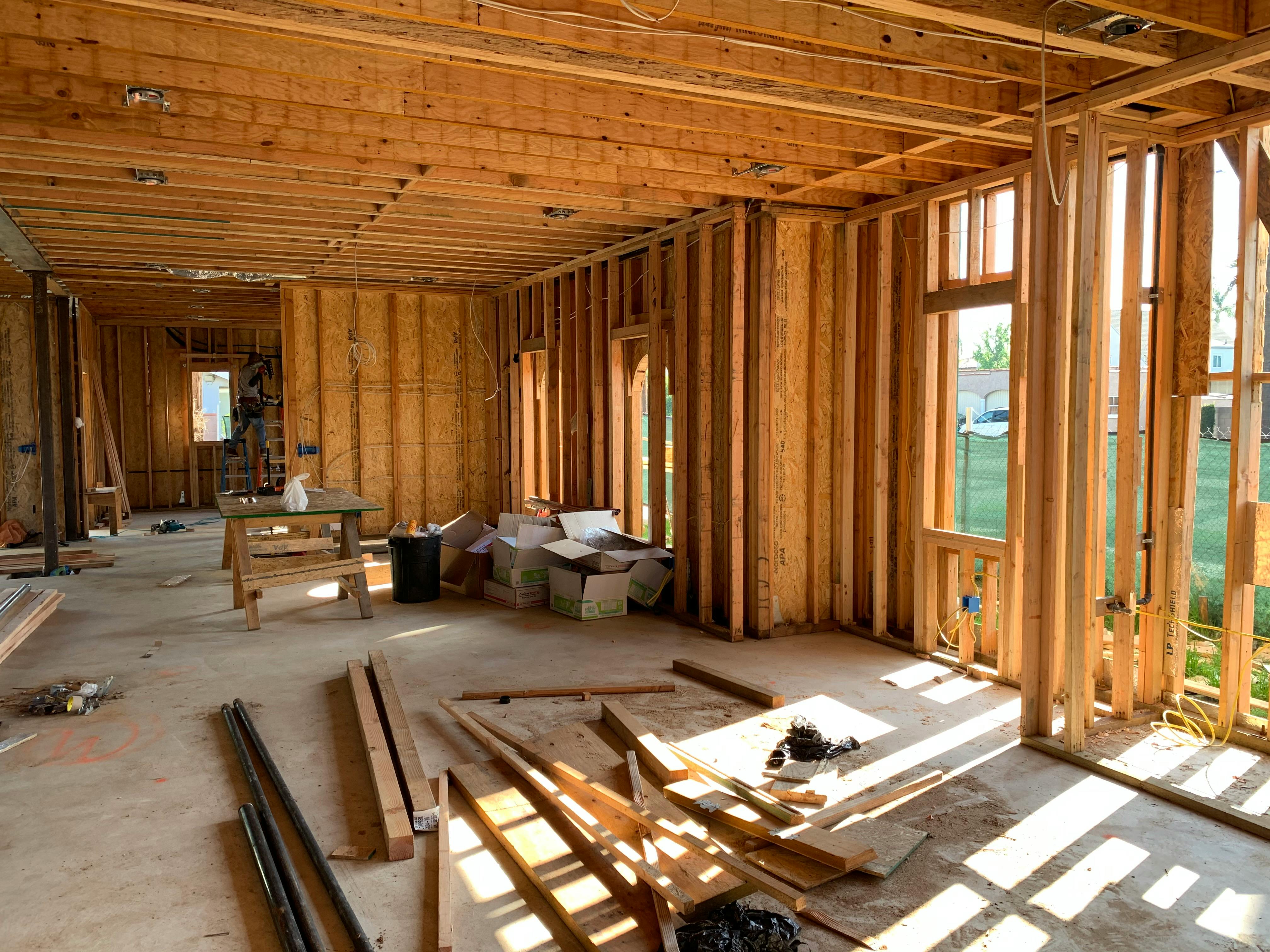
Open-cell spray foam is a lower-density spray polyurethane foam with an open cellular structure. It expands after application to fill many gaps and irregular cavities, creating a continuous insulation layer within the assembly. Its flexibility makes it a practical choice for complex framing layouts where a close fit is important.
The foam is applied as a liquid that expands and cures in place, conforming around wiring, pipes, and irregular framing. Its insulation and air-sealing characteristics depend on installed thickness, the building assembly, and professional installation. The complete wall or roof assembly determines whether open-cell foam is appropriate for a specific interior or exterior application.
Common applications
Recent project work
A look at open-cell spray foam installed across residential rooms, garages, and building spaces.


Benefits
Energy-efficiency considerations
Open-cell foam can be part of an efficient building-envelope strategy, but the results depend on thickness, the surrounding assembly, air-sealing details, and the property’s overall design.
Installation considerations
Application requires trained installers, appropriate preparation, and correct thickness. The project should be evaluated for ventilation, building-code requirements, and the conditions of the specific assembly.
Important considerations
Open-cell foam is vapor permeable, so moisture control should be considered in the context of the full assembly.
It is not automatically the right choice for every application; the location and project conditions matter.
Coverage and thickness should be verified as part of quality installation.
Talk through your project
We’ll help you review insulation options for your property, conditions, and project goals.
Get a Free Insulation Quote✦ FAQ
It is a lower-density spray polyurethane foam with an open cellular structure that expands into the cavity after application.